
Slate magazine, a reliably left‑leaning outlet that rarely misses a chance to opine on gun policy, recently published a piece claiming that Supreme Court Justice Brett Kavanaugh may have opened the door for gun‑control advocates. Their argument centers on Kavanaugh’s use of the phrases “new circumstances” and “largely unknown or unanticipated” in a case involving birthright citizenship.
Slate insists that if the Founders couldn’t foresee modern immigration patterns, then perhaps they also couldn’t foresee modern firearms, and thus the Second Amendment could be reinterpreted.
It’s a familiar move: gun‑control activists will seize on any line from the Court that they think can be repurposed to weaken the right to keep and bear arms.

To be fair, Kavanaugh’s phrasing does create an opening. Vague language is exactly the kind of thing gun‑control advocates love to weaponize. But Slate’s historical argument collapses under even basic scrutiny.
Here’s the passage they leaned on:
Likewise, the invention of semiautomatic firearms, capable of firing faster than Civil War–era weapons by an order of magnitude or more…”
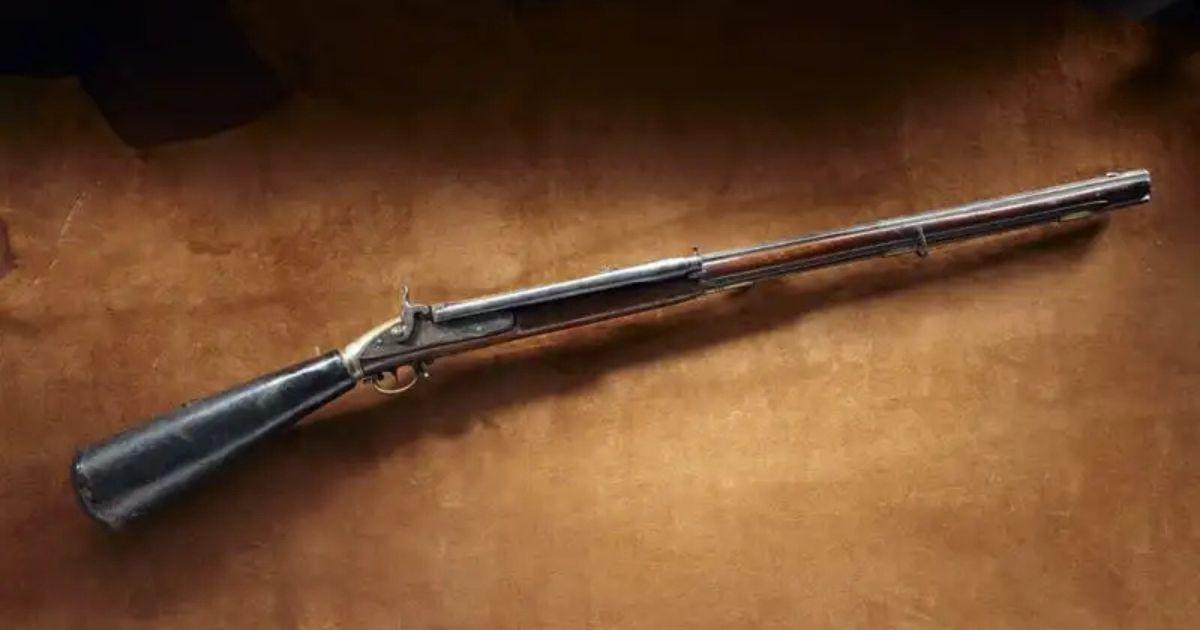
The problem? The Founders did know about repeating‑fire technology, and one of them owned it.
Thomas Jefferson possessed a Girardoni air rifle, invented around 1779, capable of holding 22 rounds that could be fired in rapid succession. This was years before the ratification of the Constitution and long before the Bill of Rights was adopted. The idea that the Founders were unfamiliar with “high‑capacity,” rapid‑fire weapons is simply false.
So Slate’s claim that semiautomatic or rapid‑fire firearms represent some unforeseeable technological leap doesn’t hold water. Firearm technology has evolved, but the underlying principles, including multi‑shot capability, were already known to the Founders themselves.
That said, Kavanaugh’s choice of language was unnecessary. We don’t need to guess what the Founders “could” or “couldn’t” have anticipated. The Constitution already provides a process for changing laws or amending the document.
Don’t give gun‑control advocates rhetorical openings to undermine the Second Amendment.