
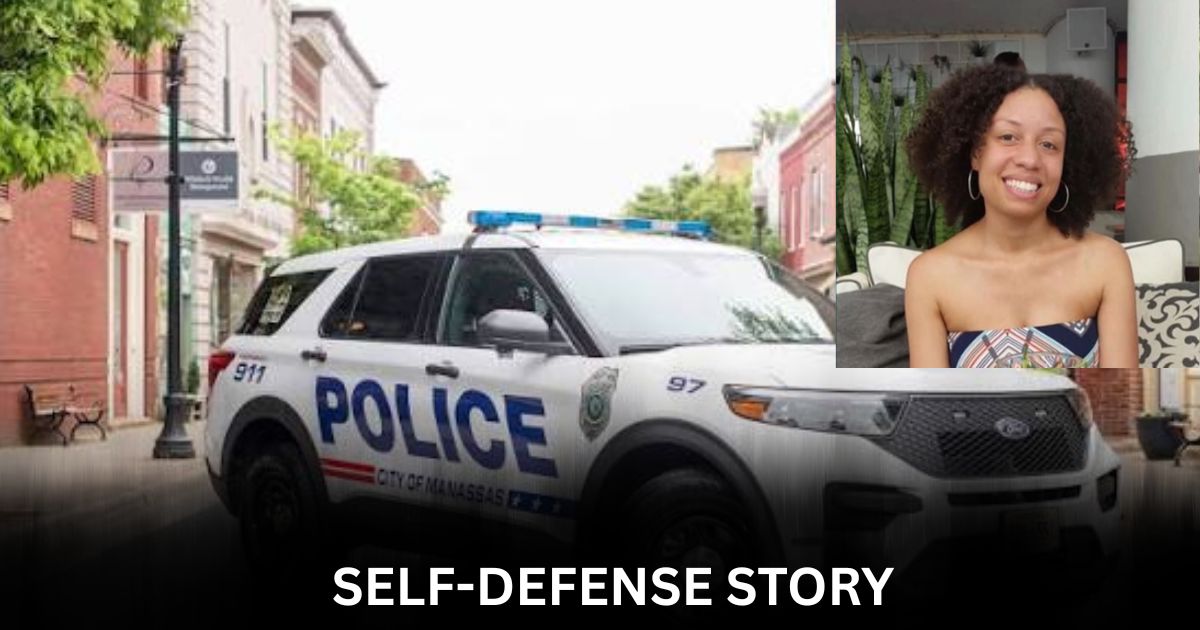
A Virginia woman, LaToya Crabee, has had her second-degree murder charge from 2024 dropped after prosecutors filed a motion to dismiss, agreeing that her self‑defense claim was valid.
Crabee had maintained from the beginning that she acted to protect herself, and her trial was set to begin next week. But a key recording stored on her government‑issued laptop had never been accessed by prosecutors. Once they finally obtained access, the case flipped.
According to prosecutors, the audio clearly captures the distinct click of a switchblade opening, along with audible threats allegedly made by Crabee’s husband. Investigators say the recording supports her claim that he intended to use the knife against her, leaving her no choice but to fire in self‑defense.

The revelation raises serious questions. What evidence did prosecutors rely on to charge her in the first place if this recording was so clear and exonerating? Was it based on something she said? Prior history? Or was this simply another case where prosecutors pushed forward without solid proof?
Idaho has seen similar situations; cases where the state moves ahead with charges despite thin evidence. It’s exactly why states that want to protect lawful gun owners need stronger requirements forcing prosecutors to produce meaningful evidence early, not months or years into a case.
Crabee likely spent significant time in jail awaiting trial, only to be cleared once the recording surfaced. All of it- time lost, stress endured, and resources spent- was for nothing.
Related News
 HISTORY MADE: Pennsylvania House Passes Constitutional Carry, Now The Bill is Headed To Governor Wolf’s Desk!
 Major Win for Gun Owners: DOJ Walks Away From USPS Firearms Ban Fight
 Flock CEO Calls Privacy Critics “Terrorists” as Backlash Explodes
 Ten Years of Constitutional Carry — Was Idaho Supposed to Fall Apart by Now?